By The Sentinel Team Last Updated: January 2026
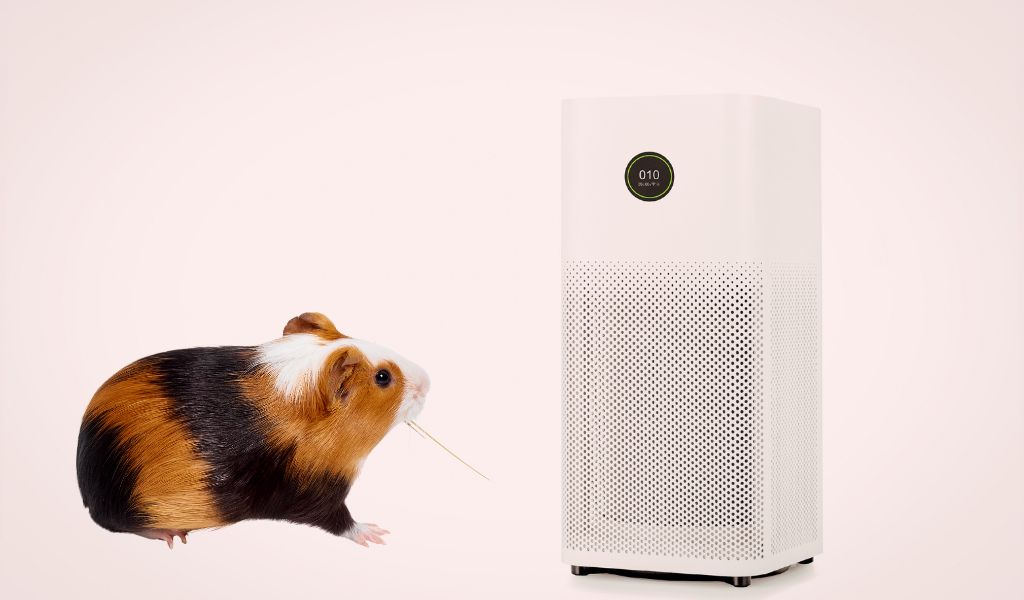
A high-end air purifier is a powerful ally, but it cannot always keep pace with the rapid dispersal of volatile organic compounds (VOCs) from scented products. For a parrot’s lungs or a rabbit’s sensitive nose, a “fresh-smelling” room can be a respiratory minefield.
To maintain a Sentinel-Ready environment, we must move beyond traditional home fragrances and adopt a “Safe Scents” protocol.
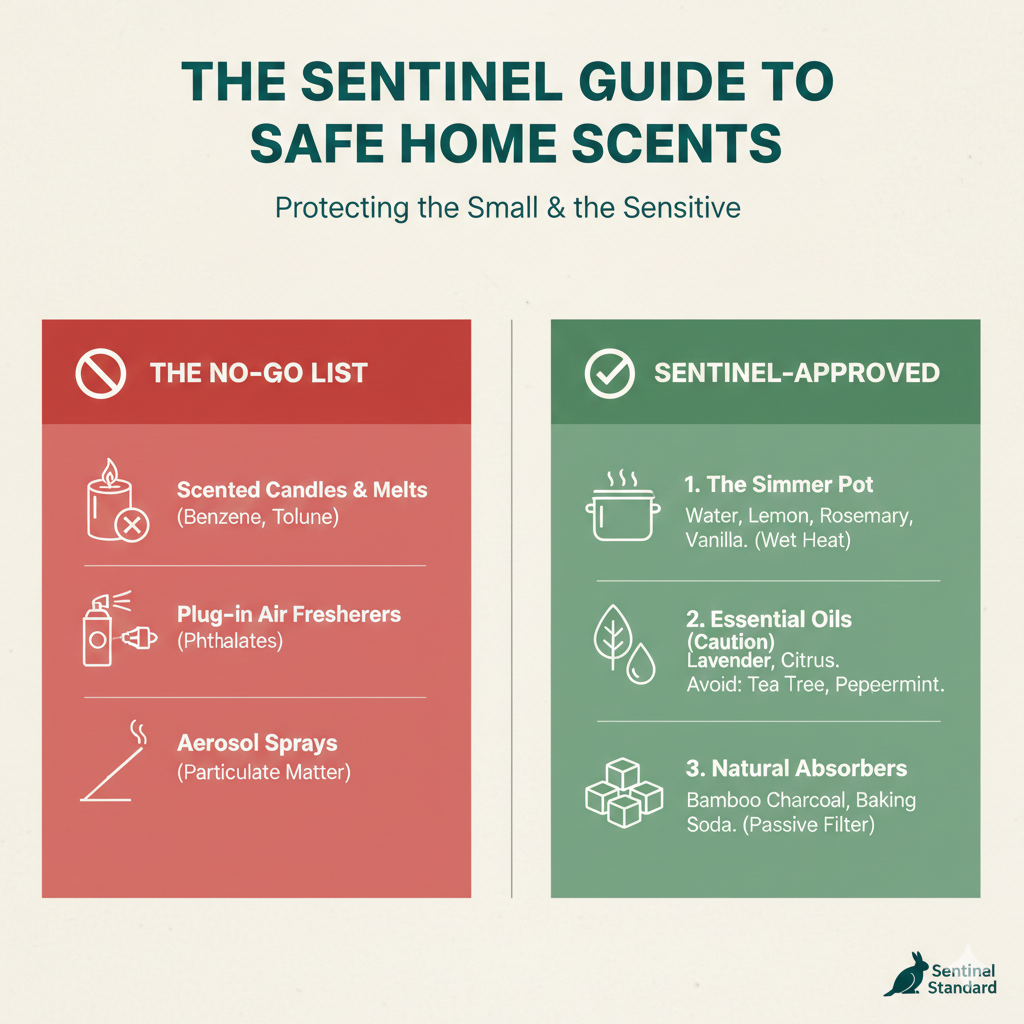
🚫 The “Never-In-The-House” List
Before we look at safe alternatives, these items must be permanently retired from any home housing birds or small mammals:
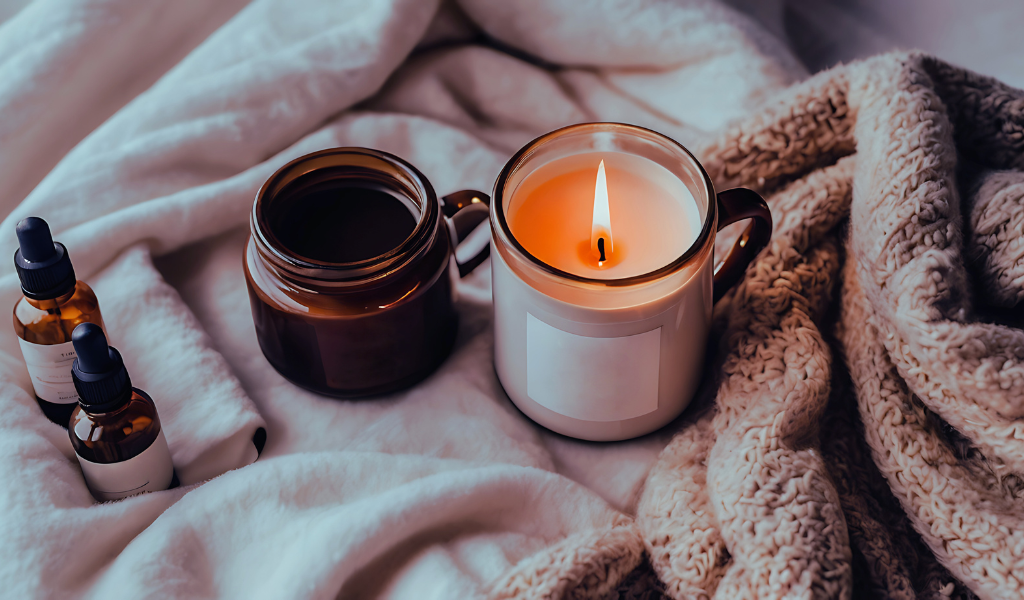
- Scented Candles & Wax Melts: Most contain paraffin wax (which releases toluene and benzene) and lead-core wicks.
- Plug-in Air Fresheners: These rely on phthalates to “mask” odors, which can cause long-term organ damage in small pets.
- Aerosol Sprays: The fine mist is inhaled instantly by birds, often leading to acute respiratory distress.
- Incense: The particulate matter (smoke) is far too dense for avian air sacs to process.
✅ Sentinel-Approved Alternatives
If you want to refresh your home without compromising the Anatomy of Vulnerability, follow these three protocols:
1. The Simmer Pot (The Gold Standard)
The safest way to scent a home is through “wet heat.”
- The Method: Simmer a pot of water on the stove with sliced lemons, rosemary, and a dash of vanilla extract.
- Why it’s safe: It releases natural aromatic oils at a molecular weight that is easily processed and doesn’t “linger” as a toxic residue.
2. High-Quality Essential Oil Diffusion (With Caution)
Not all oils are created equal. Avoid “hot” oils like tea tree, peppermint, or cinnamon.
- The Method: Use a cold-air ultrasonic diffuser for short intervals (15-20 minutes).
- Safe Oils: Lavender and citrus (sweet orange/lemon) are generally considered safe, provided the room is well-ventilated.
3. Natural Odor Absorbers
Instead of masking smells, remove them.
- The Method: Use Activated Bamboo Charcoal bags or open bowls of baking soda (placed where pets cannot reach/eat them).
- Why it’s safe: These are passive filters that trap odors without releasing any gas into the air.