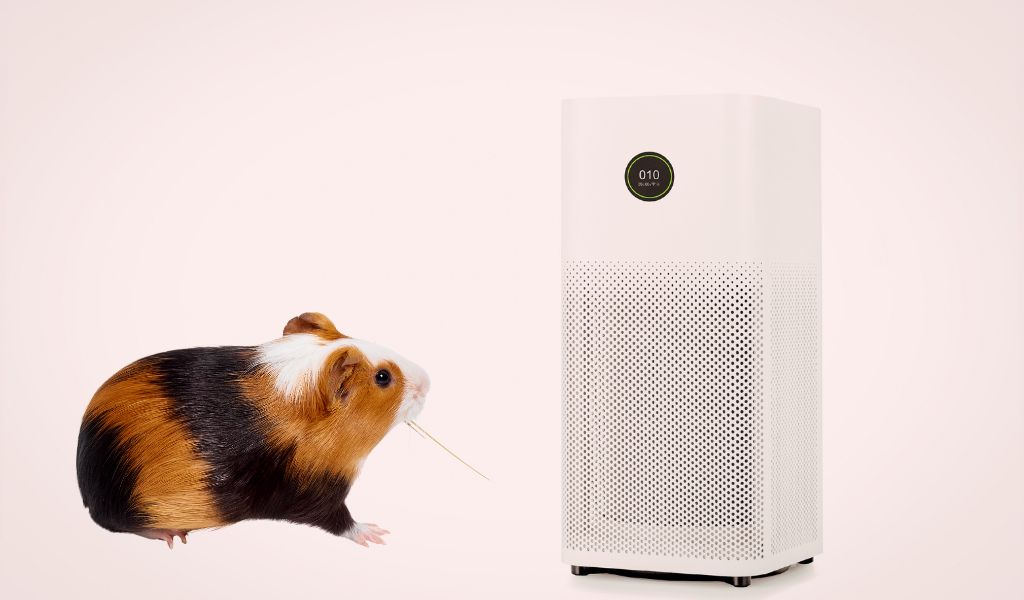
In 2026, air quality in the “Bird Room” is no longer just about comfort; it is a matter of critical safety.
While dog and cat owners worry about loose hair, bird owners face two unique, invisible threats: Powder Down (biological dust that can trigger human lung disease) and Ozone Sensitivity (a chemical vulnerability that can be fatal to birds).
This guide deconstructs the avian respiratory system and explains why standard air purifiers are often a “hidden danger” to your flock.
1. The Avian Lung: A Unique Engineering Marvel (and Flaw)
To understand why birds are the “canaries in the coal mine,” we must look at how they breathe. Unlike mammals, birds do not have a diaphragm. Instead, they use a system of nine air sacs that act like bellows, pushing air through the lungs.
- Unidirectional Flow: Air flows in one direction through a bird’s lungs. This means they are incredibly efficient at absorbing oxygen—but it also means they are twice as efficient at absorbing toxins, smoke, and gases like Ozone.
- No “Filter” System: Birds lack the extensive nasal filtration that mammals have. Particulates like dander and mold spores travel deep into the air sacs, where they can settle and cause chronic inflammation (Aspergillosis).
2. The “Ozone Trap”: Why Ionizers are a Red Flag
In 2026, many “Smart” air purifiers use Ionizers or Plasma technology to “freshen” the air. For a bird owner, this is a catastrophic risk.
- The Chemistry: Ionizers work by charging particles so they stick to surfaces. A byproduct of this process is Ozone ($O_3$).
- The Danger: Even trace amounts of Ozone can irritate the delicate linings of avian air sacs, leading to respiratory distress, lethargy, or sudden death.
- The 2026 Standard: You must look for “Ozone-Free” or “Mechanical Only” filtration. If a unit has an “Ion” button that cannot be permanently disabled, it has no place in a bird room.
3. The “Powder Down” Paradox
Certain species—African Greys, Cockatoos, and Cockatiels—produce “Powder Down.” This is a fine, white dust made of keratin that helps waterproof their feathers.
- The Impact on Humans: This dust is the primary cause of Bird Fancier’s Lung (Hypersensitivity Pneumonitis) in owners. In 2026, medical research has shown that long-term exposure to powder down without H13 HEPA filtration can lead to permanent pulmonary fibrosis in humans.
- The Impact on Equipment: Powder down is oily and fine. It will clog a standard HEPA filter in weeks, causing the motor to overheat.
Sentinel-Approved Purifiers for Birds/Small Furries
🛡️ The Bird Room Hub: Hardware Requirements
If you are setting up a bird-safe room today, your air purifier must meet these four Sentinel Specs:
| Requirement | Why It Matters |
| H13 True HEPA | Captures 99.97% of powder down down to 0.3 microns. |
| No Ionizer/Ozone | Prevents chemical lung burn in sensitive species. |
| Vacuumable Pre-Filter | Allows you to remove heavy powder buildup without buying new filters every month. |
| 5x ACH (Air Changes) | The room’s entire volume of air must be scrubbed every 12 minutes to keep dander from settling. |
4. Maintenance: The “Avian Air” Routine
- The Daily Vacuum: Vacuum the pre-filter of your unit every morning. If you see a white film, that’s powder down that would have otherwise entered your lungs.
- The 360-Degree Placement: Never place a purifier in a corner. Parrots are “dust centers”; the unit needs 360-degree intake to catch dander as it falls from the cage.
- The “Teflon” Rule: Remind yourself—no air purifier can save a bird from PTFE (Teflon) fumes. Keep the bird room isolated from the kitchen.
5. Beyond HEPA: Why Carbon Weight is the “Silent Hero”
Most bird owners focus on dust, but the real respiratory threat in a multi-bird household is Ammonia and VOCs.
- The Ammonia Problem: In large aviaries or rooms with multiple cages, the buildup of nitrogenous waste (droppings) can lead to trace ammonia gas. For a bird with unidirectional airflow, even low-level ammonia exposure causes “ciliary stasis”—basically paralyzing the tiny hairs that keep their lungs clear.
- The Solution: A thin “carbon-coated” mesh isn’t enough. You must recommend units with granular, pelletized carbon. In 2026, we look for a minimum of 2 lbs of actual carbon to ensure gas-phase pollutants are actually adsorbed, not just passed through.
6. 2026 Technology Comparison: What’s Bird-Safe?
| Technology | Status | Avian Verdict |
| True HEPA (H13/H14) | GOLD STANDARD | 100% Safe. Mechanical filtration only. |
| PECO (Molekule) | PROCEED WITH CAUTION | Effective at destroying VOCs, but the light-based reaction must be verified 100% Ozone-Free. |
| PCO / Photocatalytic | DANGEROUS | Can produce formaldehydes or ozone as byproducts during the “kill” phase. |
| Bipolar Ionization | STOP | Intentionally charges particles; byproduct is almost always trace ozone. |
7. Placement & Airflow: The “Cage-to-Purifier” Radius
Where you put the unit is as important as what unit you buy. Because birds are “point-source” emitters of powder down, the air purifier should be placed within 3 to 6 feet of the cage, but with one critical rule: No Direct Draft.
- The Draft Danger: Birds are highly susceptible to “chilling” and rapid body temperature drops. If the “clean” air blowing out of the purifier is directed at the cage, it can lead to stress and secondary infections.
- The Solution: Angle the exhaust toward the ceiling to create a “circular room flow” that pulls the dusty air from the cage into the intake without blowing on the bird.
8. The “Red Flag” Checklist for 2026 Buyers
When your readers are shopping, tell them to look for these three deal-breakers:
- “Plasma” or “Active” labels: These are often marketing euphemisms for ionizers.
- Scented Filters: Some 2026 models come with “aromatherapy” slots. Essential oils and synthetic fragrances are neurotoxic to parrots.
- Lack of CADR Rating: If a company won’t list their Clean Air Delivery Rate, the motor likely isn’t strong enough to handle the sheer volume of dander from a Cockatoo or Grey.
🛡️ The 2026 Avian-Safe Shortlist
If you need a unit today that is verified 100% Ozone-Free and tested against heavy powder down, these are our three “Sentinel” picks:
| Best For | Model | The “Bird-Safe” Edge |
| The Heavy Dander Room | Rabbit Air A3 | Zero Ozone. Massive pre-filter surface area for African Greys. |
| Large Aviaries / Multi-Bird | Alen BreatheSmart 75i | Heavy-duty motor with pure medical-grade HEPA (No Ionizer). |
| Budget / Small Rooms | Winix 5500-2 | Note: You MUST manually leave the “PlasmaWave” button OFF. |
See our Full 2026 Deep-Dive: The 7 Best Air Purifiers for Bird Rooms
Conclusion: The Sentinel Lifestyle
Living with birds means becoming a guardian of the invisible. By choosing mechanical-only H13 HEPA filtration and avoiding the “Ozone Trap,” you aren’t just cleaning the air; you are preserving the delicate bellows that allow your bird to sing, fly, and thrive.